
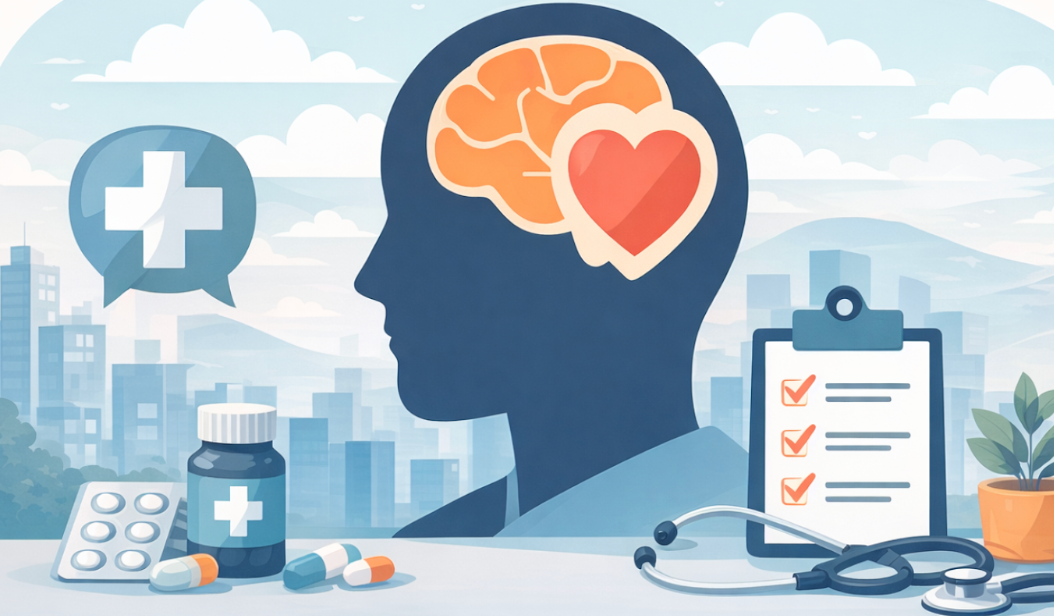
Mental health support plays a critical role in helping individuals cope with stress, emotional challenges, and everyday pressures. Mental health affects how people think, feel, and function, yet many struggle in silence due to stigma, cost, or uncertainty about where to turn. Mental health support programs exist to help people access care before challenges become overwhelming.
Mental health support can take many forms. For moments when things feel urgent or unmanageable, crisis services offer immediate help. In the Denver metro area, Colorado Crisis Services provides 24/7 phone, text, and walk-in support, offering a place to pause, talk, and feel grounded without judgment.
Beyond crisis care, many people benefit from ongoing counseling and therapy. Community clinics like the Mental Health Center of Denver and Jefferson Center for Mental Health offer low-cost and sliding-scale services, making therapy more accessible for individuals without private insurance.
Mental health support also includes prevention and community connection. Support groups, school-based counseling, and workshops help people build coping tools early. These spaces remind people they are not alone—and that mental health care is part of overall health.
Navigating mental health systems can feel intimidating. Many local organizations help individuals understand options, find providers, and explore care that fits their needs and background.
When mental health support is accessible, people are better able to focus on relationships, school, work, and personal growth. Strong mental health resources create healthier individuals and more resilient communities.
Mental health looks different for everyone. By offering a range of services—from crisis response to long-term care—mental health support programs aim to meet people where they are and support healing at their own pace.
Sources: National Alliance on Mental Illness, Mental Health America, Centers for Disease Control and Prevention